Marrakech-Safi, Morocco
Marrakech Travel Guide
Marrakech is Morocco's most visited city and, for many travelers, the country's front door. Its walled Medina, inscribed as a UNESCO World Heritage Site in 1985, holds the souks, palaces and courtyard houses most people picture when they think of Morocco, while the newer districts outside the walls offer boulevards, galleries and contemporary restaurants.
Updated September 15, 2026Winds of Morocco Editorial Team
Quick answer
Where should I stay in Marrakech?
For a first visit, stay in the Medina, ideally in a riad within a short walk of a taxi drop-off point, to be close to Jemaa el-Fna, the souks and the main monuments. Choose Gueliz or Hivernage if you prefer modern hotels, restaurants and easy car access, and the Palmeraie if you want a villa or resort with space and a pool. Three to four days is enough for the city plus one day trip.
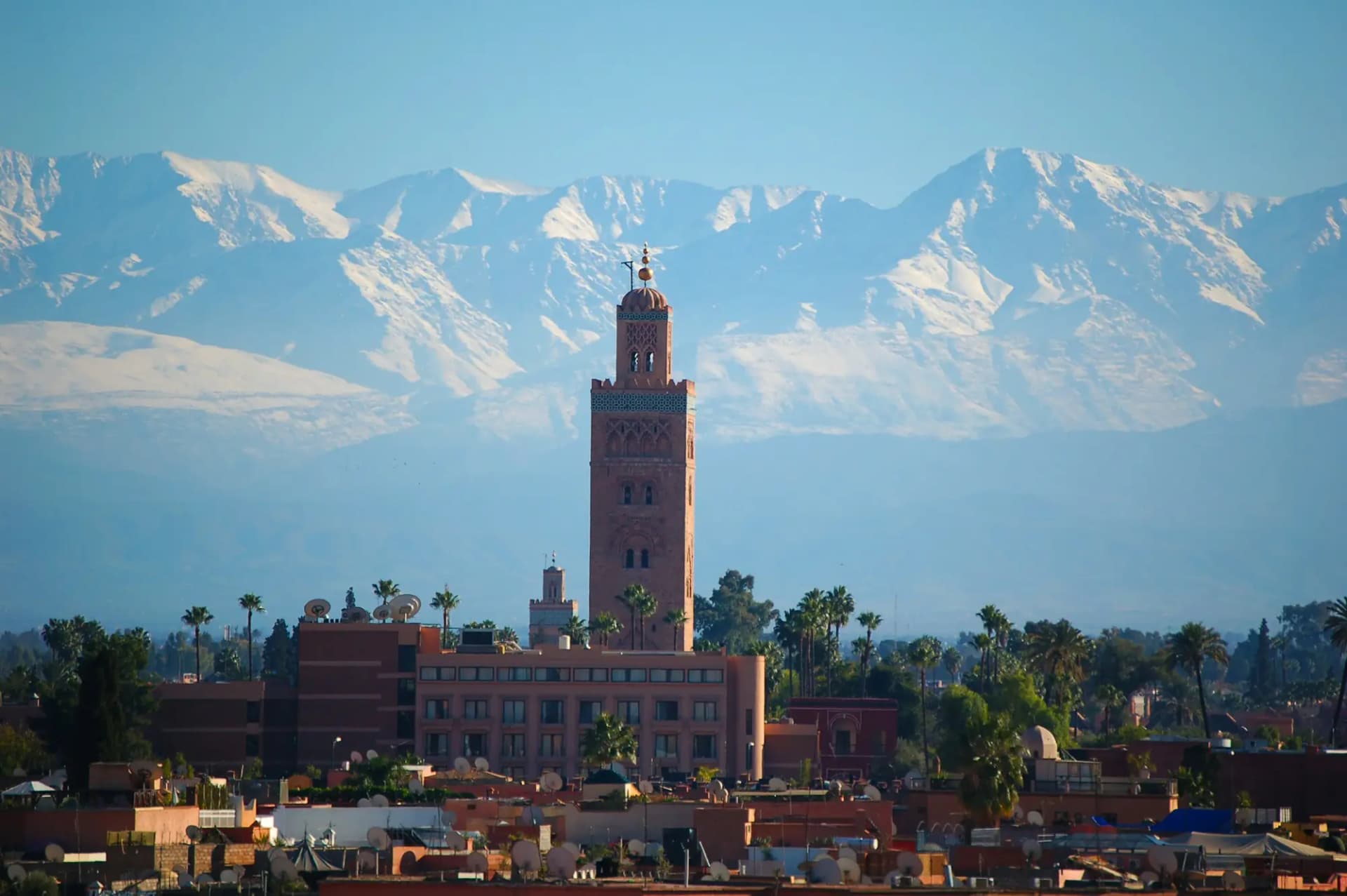
The city also works as a base. The High Atlas mountains are visible from rooftops on clear days, the Atlantic coast at Essaouira is a few hours west, and the classic route to the Sahara starts here. This guide covers where to stay, what is worth your time and how to move around without stress.
Why visit Marrakech
A living medina
The Medina is not a museum. Craft workshops, bakeries, neighborhood mosques and markets operate alongside guesthouses, which is what makes walking it so absorbing.
Gardens and architecture
Carved cedar, zellige tilework and quiet gardens sit behind plain walls: from the Bahia Palace and the Ben Youssef Madrasa to Jardin Majorelle and Le Jardin Secret.
Food at every budget
Evening food stalls on Jemaa el-Fna, slow-cooked tanjia, rooftop restaurants and a strong contemporary dining scene in Gueliz.
Mountains and desert within reach
Atlas valleys, the stony Agafay desert and the coast are all realistic day trips, and multi-day routes lead to the Sahara dunes.
Best time to visit
Spring (March to May) and autumn (September to November) bring warm days and comfortable evenings, which is ideal for walking the Medina and taking day trips.
Summer afternoons are very hot. If you travel between June and August, plan sightseeing for early morning and evening, and choose accommodation with a pool or good air conditioning.
Winter days are often sunny and mild, but nights are cold and traditional riads can feel chilly: check that rooms are heated. Snow on the High Atlas makes for dramatic views from the city.
During Ramadan, the city stays open to visitors, but daytime rhythms change and some restaurants adjust their hours. Evenings after sunset are especially lively.
Where to stay in Marrakech
Marrakech has one of the widest ranges of accommodation in Morocco. The main decision is not budget but location: inside the Medina for atmosphere, outside it for space and convenience.
Best areas
- 01
Medina
Best for: First-time visitors, atmosphere, riads
Inside the walls you are close to Jemaa el-Fna, the souks and most monuments. Lanes are narrow and many are closed to cars, so ask your riad how far it is from the nearest drop-off point and whether a porter can meet you. The northern Medina around the souks is lively; the Kasbah quarter in the south, near the Saadian Tombs, is calmer and easier to reach by taxi.
- 02
Gueliz
Best for: Cafés, galleries, modern hotels, easy transport
The French-era new town has wide avenues, shops, contemporary restaurants and the railway station. It is a comfortable base if you prefer a conventional city rhythm, and taxis to the Medina are short.
- 03
Hivernage
Best for: Upscale hotels, nightlife, families wanting space
A leafy district between Gueliz and the Medina walls, known for larger hotels with pools, restaurants and bars. It combines comfort with a short ride to the old city.
- 04
Palmeraie
Best for: Villas, resorts, golf, quiet stays
The palm grove on the northern edge of the city is home to resorts and private villas with gardens and pools. It suits longer stays, groups and travelers who want calm, but you will rely on taxis or a driver to reach the Medina.
- 05
Agafay and the Atlas foothills
Best for: Luxury camps, eco-lodges, views
Beyond the city, the Agafay plateau and the foothills towards the Atlas offer camps and lodges with wide landscapes. They are best combined with a few nights in the city rather than used as a sightseeing base.
Types of accommodation
Riads
A riad is a traditional house built around a courtyard, often with a plunge pool and a roof terrace. Most have only a handful of rooms, so service is personal. Check reviews for noise, heating in winter and how luggage reaches the door.
Hotels
International and Moroccan hotels cluster in Hivernage and Gueliz, with larger rooms, pools and step-free access. Some palace-style hotels sit right on the edge of the Medina walls.
Villas
Private villas in the Palmeraie and on the roads leading out of the city suit families and groups. Confirm staffing, pool heating in cooler months and transfer times to the Medina.
Apartments
Serviced apartments in Gueliz and Hivernage are practical for longer stays or remote work, with kitchens and easier deliveries.
Things to do in Marrakech
Culture
Jemaa el-Fna at dusk
The main square changes character through the day. Go in the late afternoon, watch the food stalls set up, then climb to a café terrace for the view as the smoke rises. Agree prices before photographing performers or animal handlers, and avoid encounters with chained monkeys.
Shopping
The souks
North of the square, the souks are organized loosely by trade: leather, metalwork, textiles, spices. Getting lost is part of it. Browse first, compare, and negotiate politely; a shop owner's opening price is a starting point.
Culture
Bahia Palace and Ben Youssef Madrasa
Two of the finest examples of Moroccan decorative craftsmanship: painted cedar ceilings, carved plaster and tiled courtyards. Visit early to avoid tour groups.
Culture
Jardin Majorelle and the Musée YSL
The cobalt-blue garden created by painter Jacques Majorelle and later owned by Yves Saint Laurent and Pierre Bergé is one of the city's most visited sites. Book tickets online in advance and arrive at opening time.
Wellness
A hammam
Choose between a neighborhood public hammam for the traditional experience or a spa hammam in a riad or hotel for privacy. Both include steam, black soap and a vigorous scrub.
Food
A cooking class or food walk
Market visits followed by a hands-on class are a good way to understand Moroccan cuisine. Evening food tours help first-timers try street food with confidence.
Outdoors
Sunrise over the plain
Hot-air balloon flights operate from outside the city in suitable weather. Check the operator's safety record and cancellation policy, since flights depend on wind conditions.
Day trips and nearby
Ourika Valley and the High Atlas
Riverside villages, terraced fields and short walks to waterfalls. Imlil, further south, is the trailhead for Toubkal National Park and suits hikers who want a longer day.
Agafay desert
A stony, lunar-looking plateau rather than sand dunes, but close to the city. Camel rides, quad biking and sunset dinners at camps are the usual formats.
Essaouira
The fortified Atlantic port is possible as a long day trip by coach or private transfer, but it is far more rewarding with at least one night.
Ait Ben Haddou and Ouarzazate
The UNESCO-listed earthen ksar lies over the Tizi n'Tichka pass. As a day trip it means many hours on mountain roads; many travelers include it on the way to the Sahara instead.
Getting there
From Marrakech Menara Airport
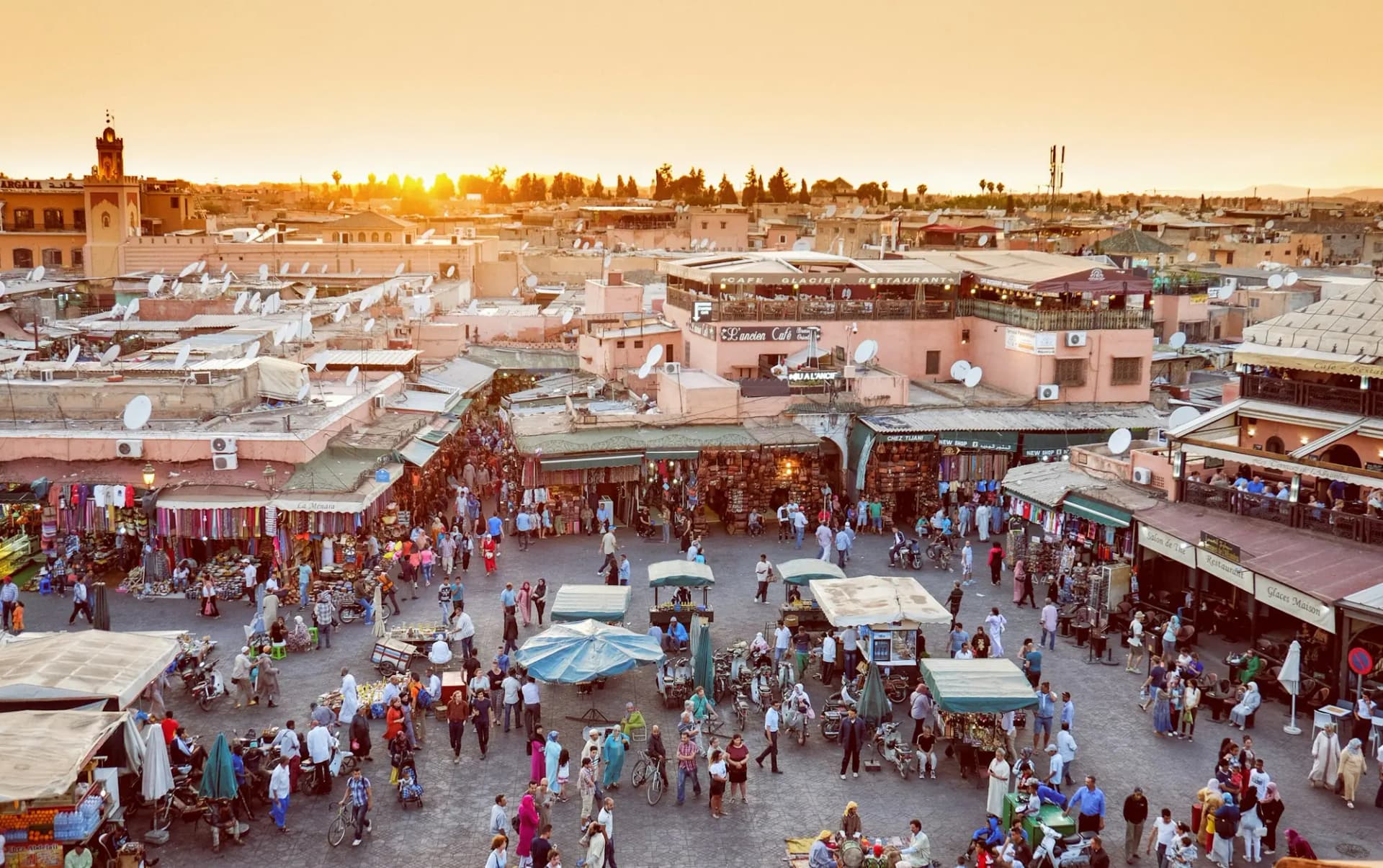
The airport is about 6 km from Jemaa el-Fna. An airport bus line serves the city center and taxis take around 15 minutes. If you are staying in the Medina, a pre-arranged transfer with a riad meeting point avoids searching for your door at night.
By train
ONCF trains arrive at Marrakech station in Gueliz. Casablanca to Marrakech takes roughly two hours forty to three hours twenty depending on the service, with connections to Rabat, Tangier and Fes.
By coach
CTM and Supratours connect Marrakech with Essaouira, Agadir, Ouarzazate and other cities not served by rail. Supratours departs next to the railway station.
Getting around
- The Medina is best explored on foot. Carry an offline map, but expect it to struggle in the narrowest lanes; ask shopkeepers rather than accepting unsolicited offers to guide you.
- Petits taxis carry up to three passengers within the city. Agree the fare before setting off or ask for the meter. For a Medina hotel, the driver will stop at the nearest gate or square.
- A car is unnecessary inside Marrakech. Rent one only when leaving the city, for the Atlas or a road trip south.
Food and shopping
What to eat
Tanjia, a Marrakchi specialty of meat slow-cooked in a clay urn, is the dish to look for. Tagines, couscous on Fridays, grilled meats at the square and fresh orange juice are everywhere.
What to buy
Leather goods, handwoven rugs, brass lanterns, argan-based cosmetics and ceramics. For fixed prices and a feel for quality, look at government-backed artisan centers before heading into the souks.
Practical tips
Unofficial guides and touts
People may tell you a road is closed or offer to show you the way, then ask for money or lead you to a shop. A polite, firm “no thank you” works. For guided visits, book a licensed guide through your accommodation.
Dress and etiquette
Light clothing that covers shoulders and knees is comfortable and respectful in the Medina. Most mosques in Morocco, including the Koutoubia, are closed to non-Muslims; admire them from outside.
Photography
Ask before photographing people. Performers on Jemaa el-Fna expect a tip if you take pictures.
Frequently asked questions
How many days do you need in Marrakech?
Three to four days lets you see the Medina's main sights at a relaxed pace, visit a garden or two and take one day trip to the Atlas or Agafay. Add a night or two if you plan to continue to Essaouira or the Sahara from here.
Is it better to stay in a riad or a hotel in Marrakech?
Stay in a riad inside the Medina if atmosphere and walking access to the souks matter most. Choose a hotel in Hivernage or Gueliz if you want a large pool, step-free access or easy taxi pick-ups, which often suits families and travelers with limited mobility.
Can you see sand dunes on a day trip from Marrakech?
Not the large Sahara dunes. The Agafay desert near the city is a stony plateau. Tall dunes such as Erg Chebbi near Merzouga are around 560 km away by road, which is best done as a trip of at least three days.
Do non-Muslims have access to mosques in Marrakech?
In general, no: mosques in Marrakech are reserved for Muslims. You can visit former religious schools such as the Ben Youssef Madrasa and see the Koutoubia minaret and gardens from outside.
Sources
- Medina of Marrakesh · UNESCO World Heritage Centre
- Train timetables and tickets · ONCF (Moroccan National Railways)
- Jardin Majorelle · Jardin Majorelle
- Visit Morocco: Marrakech · Moroccan National Tourist Office
Related guides
Getting around
How to Get from Marrakech Airport to the Medina
Taxi, airport bus or pre-booked transfer: how to get from Marrakech Menara Airport to your riad in the Medina, and what to know about the final walk.
Trip planning
The Best Time to Visit Morocco
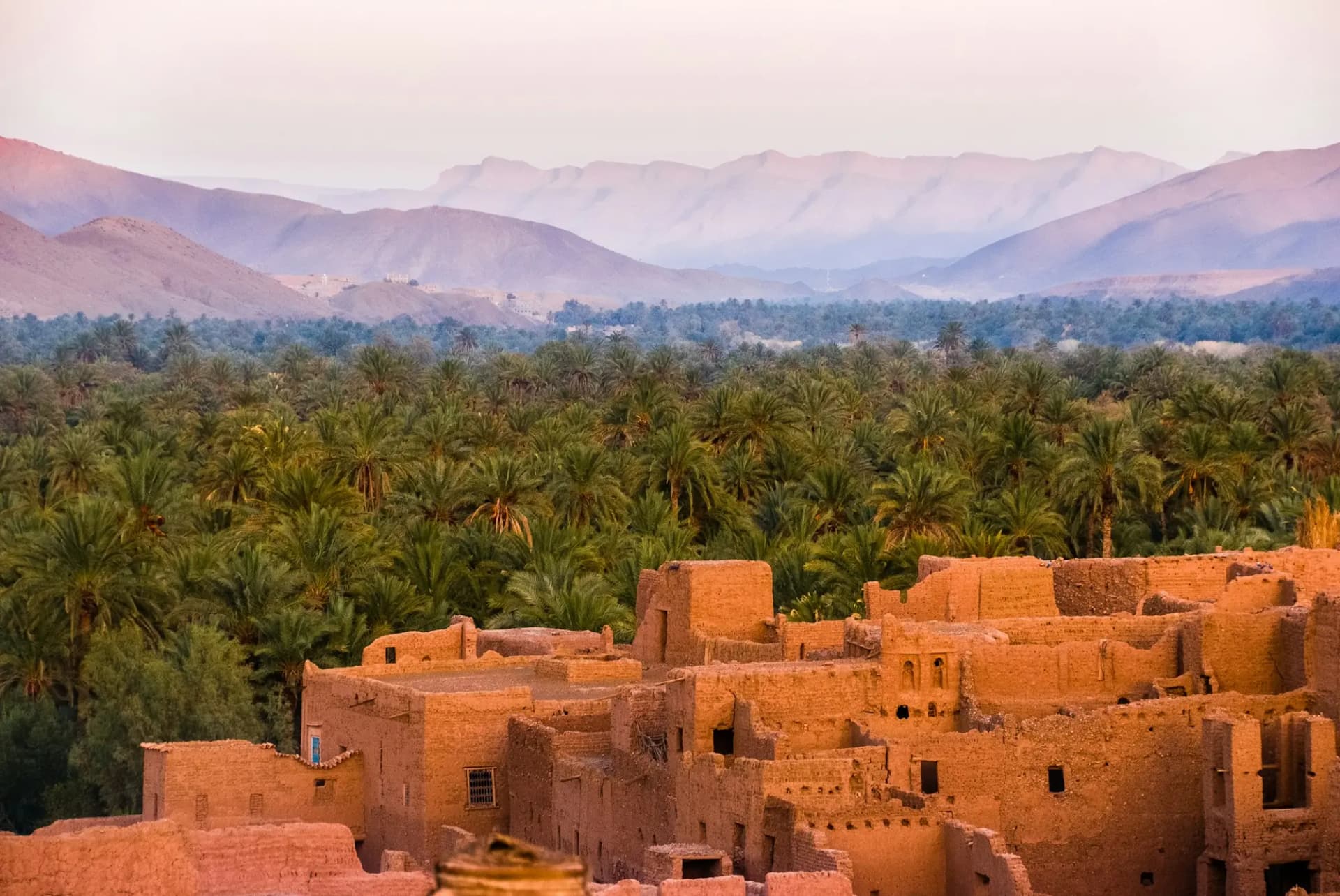
Spring and autumn suit most itineraries, but the right season depends on where you go: the desert, the Atlas, the Atlantic coast or the imperial cities.
Getting around
Marrakech to Essaouira: Coach, Private Transfer or Day Trip
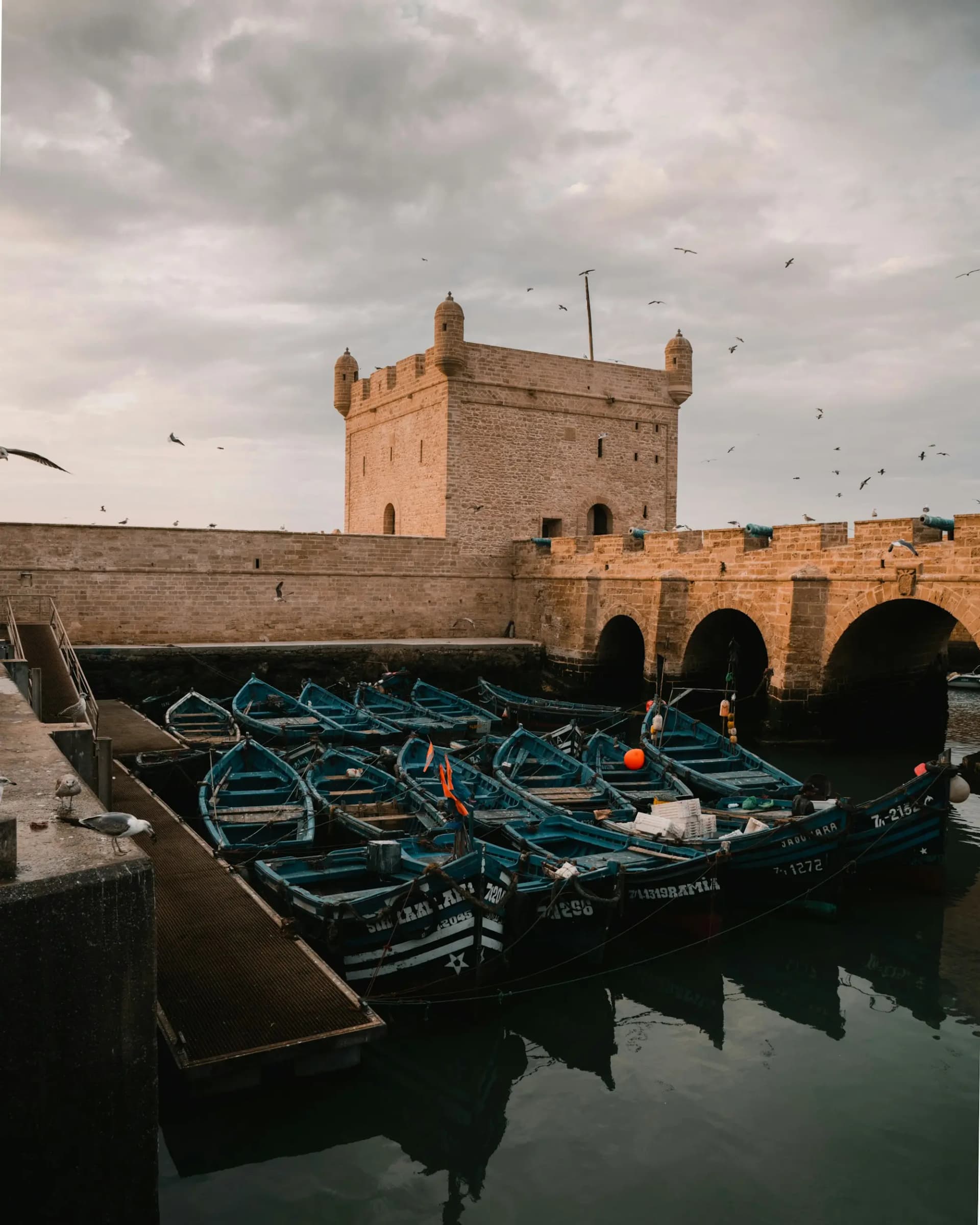
How to travel from Marrakech to Essaouira: coach times, private transfers, driving yourself and whether a day trip is worth it.